
Tier-II Cities vs Metro Jobs: Which Is Better for Your Career Growth?
- raj tushar
- Nov 25, 2025
- 4 min read

The job market in India is shifting fast. Tier-2 cities are no longer just backup options - they're becoming serious competitors to metros. You'll find opportunities growing 21% year-over-year in tier-2 cities compared to 14% in metros. But which path will actually boost your career?
The answer isn't simple. Your choice depends on what you value most: rapid growth, work-life balance, or long-term stability. Let's break down both options so you can make the right call.
Metro Cities: The Traditional Powerhouses
Metro cities like Mumbai, Bengaluru, Delhi NCR, and Hyderabad still pack a punch. You'll find the biggest companies, highest salaries, and most diverse opportunities here.
What Makes Metros Strong
You'll get exposure to cutting-edge industries in metros. IT, banking, financial services, and media companies cluster here. The networking opportunities alone can accelerate your career by years.
Metros offer specialized roles you won't find elsewhere. Investment banking, advanced tech positions, and senior management roles are concentrated in these cities. If you're in fields like AI, fintech, or digital marketing, metros give you access to the latest trends and technologies.

The Metro Reality Check
But metros come with serious downsides. You'll pay premium prices for everything - rent, food, transport. A basic apartment in Bengaluru or Mumbai can cost what you'd pay for a house in a tier-2 city.
The competition is brutal. Everyone wants the top jobs, so you'll work longer hours and deal with higher stress. Traffic alone can eat 2-3 hours of your day. Work-life balance? You'll struggle to find it.
Companies in metros also face high attrition rates. Employees jump jobs frequently for better packages, creating unstable work environments.
Tier-2 Cities: The Rising Stars
Cities like Jaipur, Lucknow, Coimbatore, and Indore are experiencing explosive growth. You'll find fresh opportunities in e-commerce, retail, customer support, and logistics.
Why Tier-2 Cities Are Winning
The numbers don't lie - tier-2 cities are growing faster than metros. E-commerce expansion, government initiatives, and remote work trends are driving this boom.
You'll enjoy a better quality of life in tier-2 cities. Lower pollution, less traffic, and affordable housing mean you can actually enjoy your success. Your salary might be lower, but your purchasing power often ends up higher.
Companies love tier-2 cities for their lower operational costs. This translates to more stable jobs and often better growth opportunities for employees. You'll face less competition and get more responsibility faster.

Tier-2 Challenges You'll Face
Skill development can be tougher in tier-2 cities. You might need additional training to meet corporate standards. The infrastructure isn't always reliable - internet connectivity and business facilities can be inconsistent.
Career progression might feel slower compared to metros. If you're ambitious and want rapid advancement, tier-2 cities might test your patience.
Many professionals still view tier-2 positions as stepping stones to metro jobs, which can affect team stability.
The Head-to-Head Comparison
Factor | Metro Cities | Tier-2 Cities |
Job Growth Rate | 14% YoY | 21% YoY |
Cost of Living | Very High | Low-Medium |
Salary Range | ₹8-50 Lakhs+ | ₹4-25 Lakhs |
Key Industries | IT, BFSI, Media | E-commerce, Retail, Logistics |
Work-Life Balance | Poor-Average | Good-Excellent |
Career Speed | Fast | Moderate |
Infrastructure | Excellent | Developing |
Competition Level | Intense | Moderate |
Networking | Extensive | Growing |
Future Growth | Steady | Rapid |

Making Your Career Choice
Choose Metros If You're:
Early in your career and hungry for growth. Metros accelerate learning and expose you to advanced practices. You'll build a strong foundation for future success.
In specialized fields like fintech, advanced IT, or investment banking. These sectors need metro infrastructure and ecosystem support.
Comfortable with high costs for high rewards. If you can handle the financial pressure, metros offer better long-term earning potential.
Focused on building extensive professional networks. Metro networking can open doors globally.
Choose Tier-2 Cities If You're:
Looking for sustainable career growth with better life quality. You'll build wealth while actually enjoying life.
In sectors like operations, customer support, or retail management. These fields are booming in tier-2 cities.
Wanting to stay close to family and roots. You can build a successful career without sacrificing personal relationships.
Ready to be a big fish in a smaller pond. You'll get more responsibility and recognition faster in tier-2 cities.
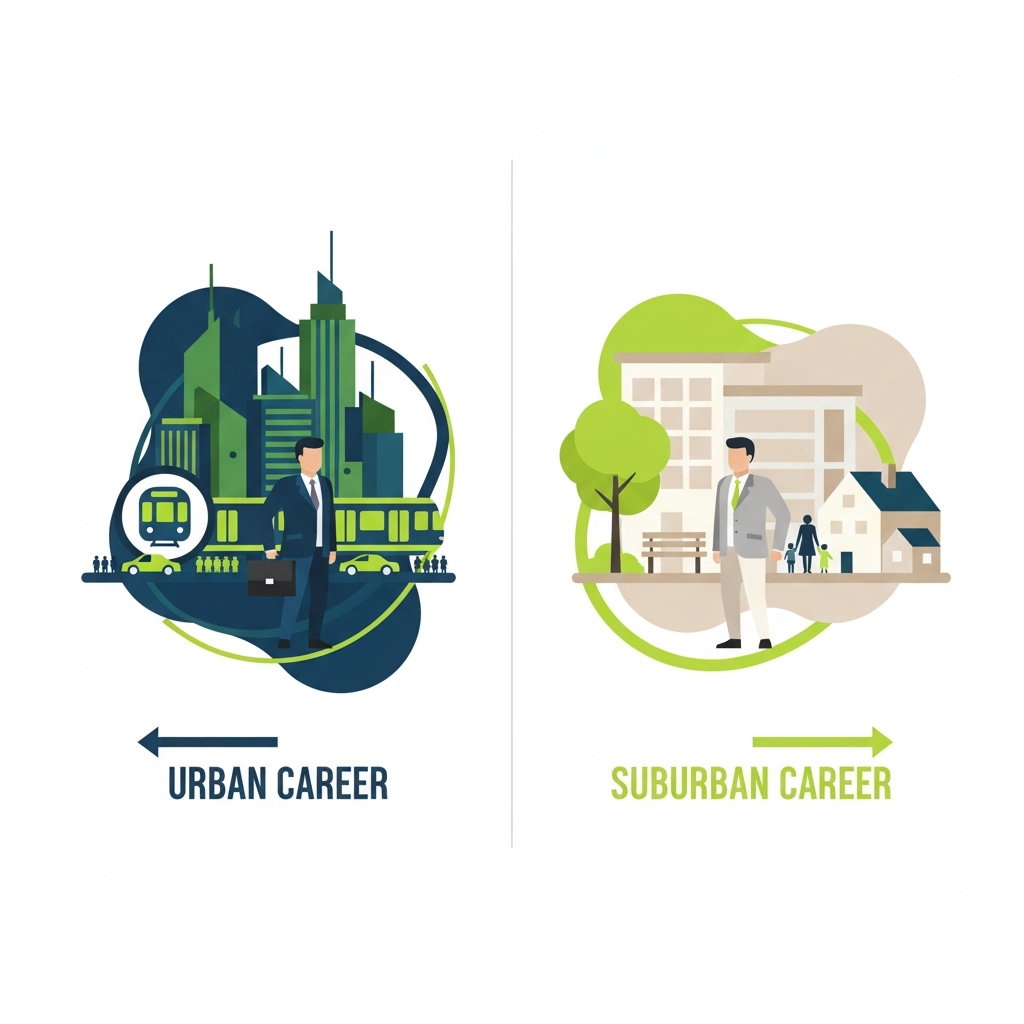
The Smart Strategy: Hybrid Approach
Don't think you have to choose permanently. Many successful professionals start in metros, gain experience, then move to tier-2 cities for better balance. Others begin in tier-2 cities and later transition to metros for specialized roles.
Remote work has changed the game entirely. You can often work for metro-based companies while living in tier-2 cities. This gives you metro salaries with tier-2 living costs - the best of both worlds.
What's Coming Next
The future looks bright for both options. Metros will remain centers for innovation and specialized services. Tier-2 cities will continue growing as companies expand operations and employees prioritize life quality.
Government initiatives like Smart City Mission are improving tier-2 infrastructure rapidly. You'll see better connectivity, business parks, and urban planning in the coming years.
The rise of digital-first companies means location matters less than skills and results. This trend favors tier-2 cities, where you can deliver global-quality work at lower costs.

Your career growth isn't just about the city you choose - it's about aligning your location with your goals, values, and life stage. Whether you pick the fast lane of metros or the balanced growth of tier-2 cities, success comes from making intentional choices that support your bigger picture.
The job market is evolving, and smart professionals will adapt by choosing locations that amplify their strengths while supporting their lifestyle goals. Where will you build your career?


Comments