
How to Beat AI Resume Screening in 2026: 7 Tricks That Actually Work
- raj tushar
- Nov 25, 2025
- 4 min read

Here's the reality: 95% of Fortune 500 companies now use AI to screen resumes before any human ever sees them. That means your perfect resume might get rejected in seconds by a machine that doesn't understand your potential.
But here's the good news. Once you understand how these AI systems work, you can easily outsmart them. These seven tricks will help you get past the robots and land more interviews in 2026.
1. Steal Keywords Directly From the Job Description
This is the most powerful trick, and it's surprisingly simple. AI systems look for exact matches between your resume and the job posting. If the company wants "project management experience," don't write "managed projects." Use their exact words.
Here's how you'll do this:
Copy the job description into a document
Highlight every skill, tool, and requirement they mention
Work these exact phrases into your resume naturally
Don't just stuff them in randomly: make them fit your real experience
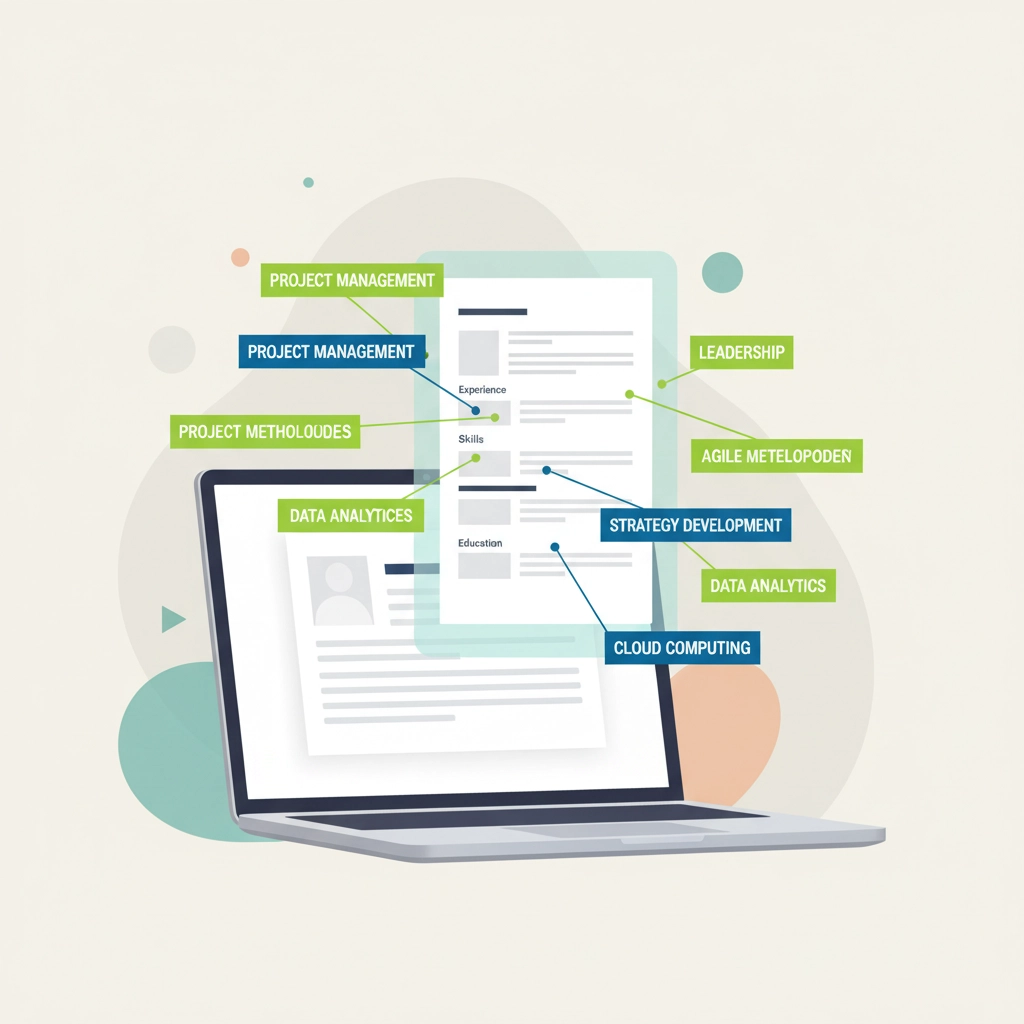
The AI screening software will give you bonus points for speaking their language. But remember, you still need to back up these keywords with real examples from your work.
2. Use AI Tools to Find Your Blind Spots
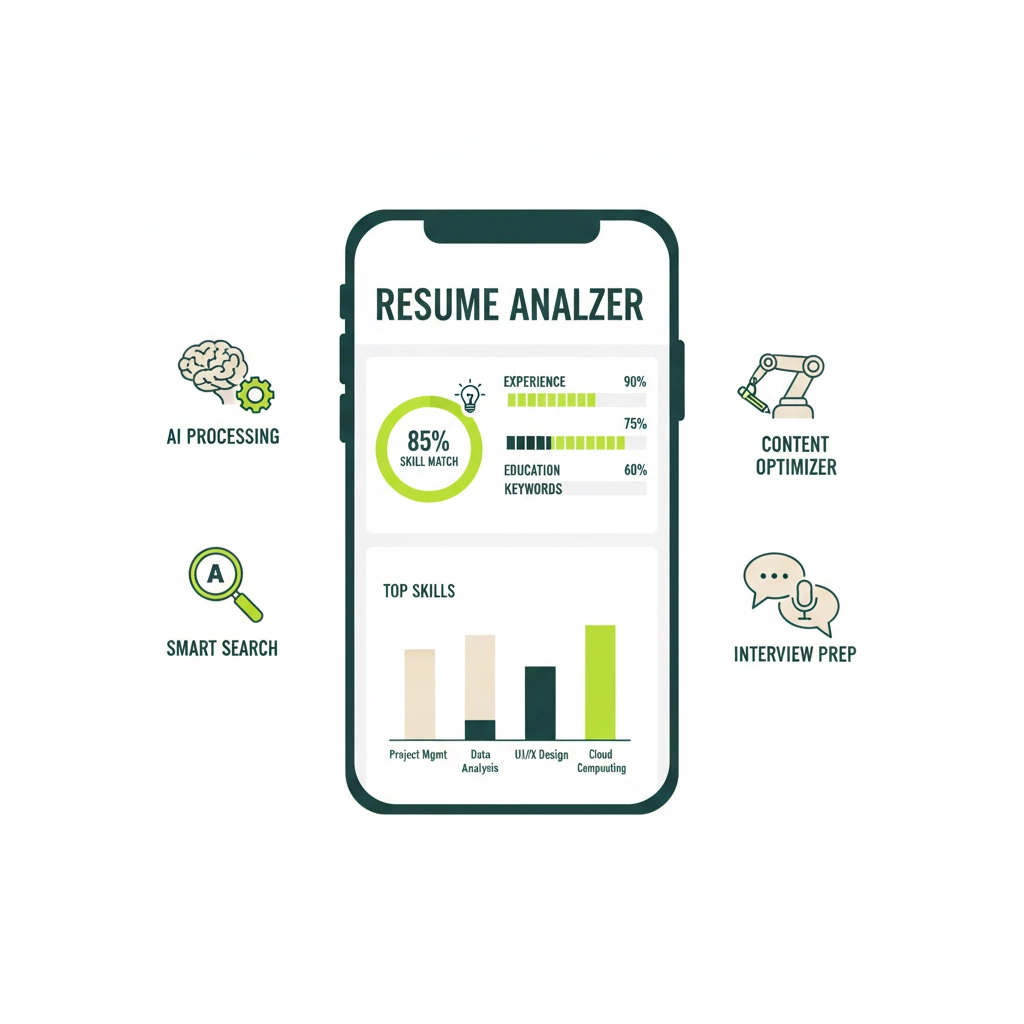
Why guess what's missing when AI tools can tell you exactly what you need? These platforms analyze your resume like a real AI screener would:
Jobscan compares your resume to job descriptions and gives you a match score. Anything under 70% means you're probably getting filtered out.
Resume Worded shows you which sections are weak and suggests improvements.
SkillSyncer highlights missing keywords that matter for your target role.
You'll spend 10 minutes with these tools and instantly see what's keeping you from passing AI screens. Most people skip this step and wonder why they never hear back from applications.
3. Keep Your Format Dead Simple
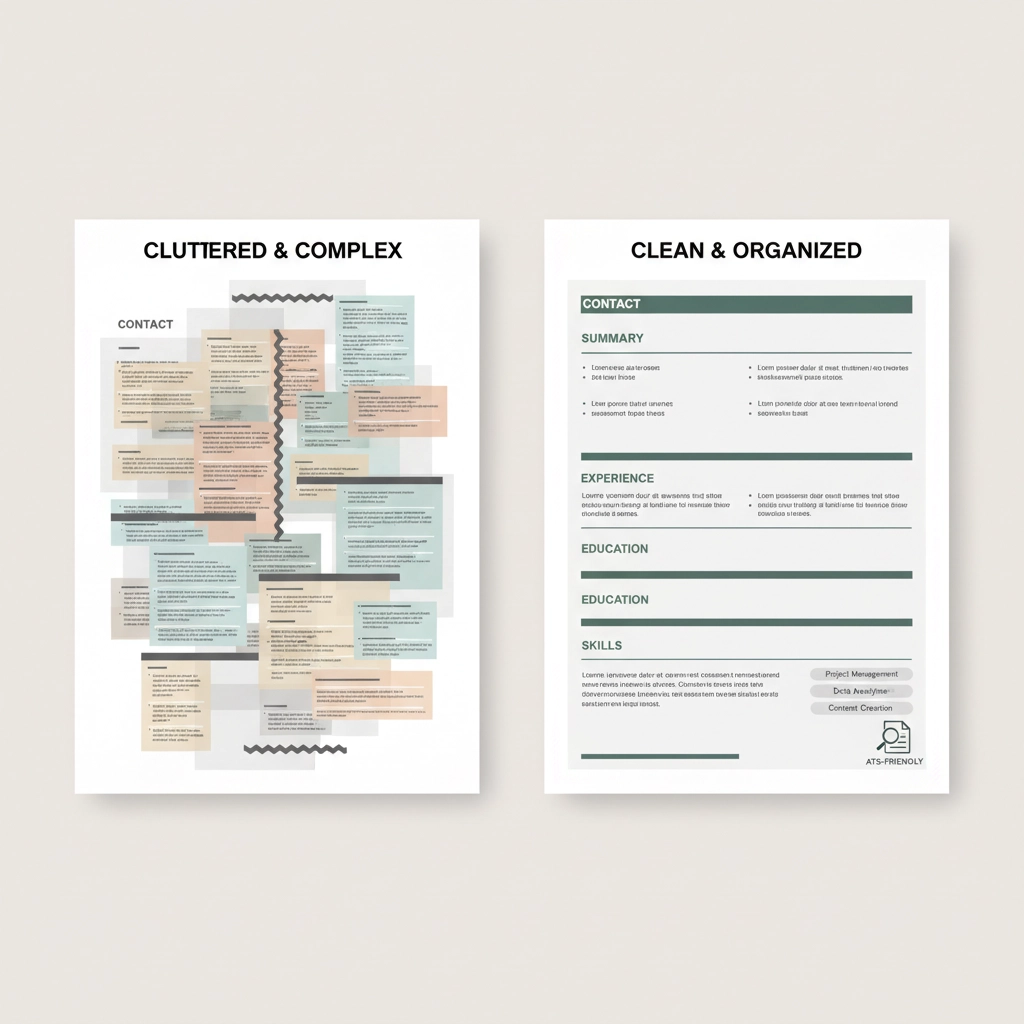
AI systems are smart, but they're still picky about how they read resumes. Complex layouts confuse them, and confused AI means automatic rejection.
Stick to these formatting rules:
Use standard fonts like Arial or Calibri
Keep section headers clear: "Work Experience," "Education," "Skills"
Avoid tables, columns, and graphics
Save as a .docx or PDF (check the application requirements)
Don't get creative with layouts
Think of AI screening like an old-school scanner. The cleaner your format, the better it reads your content.
4. Show Numbers, Not Buzzwords
AI systems in 2026 are getting better at spotting generic fluff. Writing "results-driven professional with proven track record" tells them nothing. But "increased sales by 35% in 18 months" gives them concrete data to work with.
Replace vague statements with specific metrics:
Instead of "improved efficiency," write "reduced processing time by 40%"
Instead of "team player," write "collaborated with 12-person cross-functional team"
Instead of "excellent communication skills," write "presented monthly reports to 50+ stakeholders"
Numbers stand out to both AI systems and human recruiters. They prove you can deliver actual results.
5. Test Your Resume Before You Submit
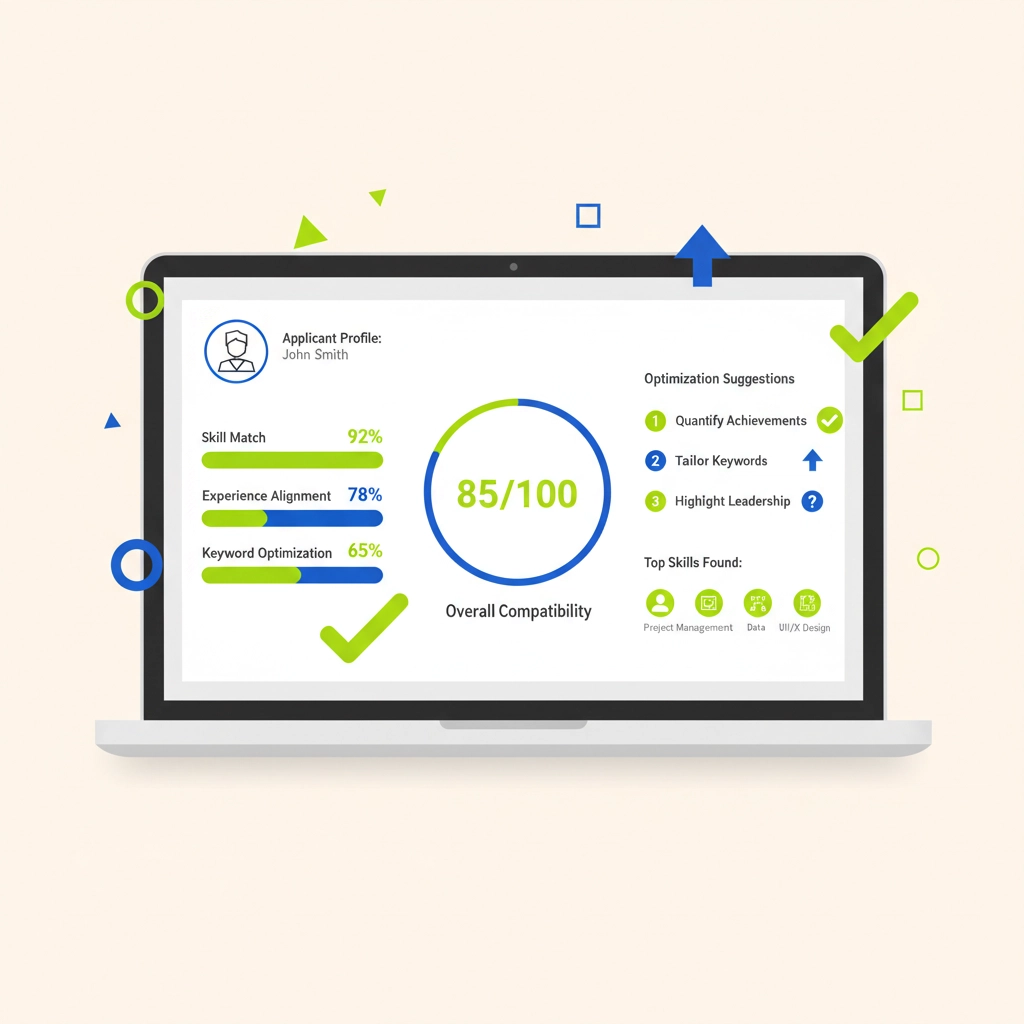
This step separates smart job seekers from everyone else. Before you apply anywhere, run your resume through AI screening simulators.
Upload your resume to platforms like Jobscan or Resume Worded. They'll score how well your resume matches the job description and show you exactly what's missing.
You'll often discover:
Keywords you thought you included but didn't
Skills the AI can't find in your current format
Sections that need more detail
Experience that isn't coming through clearly
Fix these issues before you apply, and you'll see your interview rate jump.
6. Show How Your Skills Transfer
Modern AI screening doesn't just look for exact job titles anymore. These systems understand that a "Marketing Coordinator" might be perfect for a "Digital Marketing Specialist" role.
Focus on transferable skills rather than matching job titles exactly:
If you managed budgets in retail, that's relevant for any budget management role
If you used data analysis in healthcare, those skills work in any data-driven position
If you solved customer problems in tech support, you can solve them in account management
Explain how your experience applies to the new role. AI systems in 2026 are smart enough to connect these dots when you make it clear.
7. Write for Robots AND Humans
Here's the secret most people miss: your resume needs to pass AI screening AND impress the human who eventually reads it.
This means:
Use AI-friendly keywords without sounding robotic
Include metrics that matter to both machines and managers
Tell a coherent story about your career progression
Show personality while staying professional
The best resumes feel natural to read but are packed with the right technical terms. Think of it as writing in code that both computers and humans can understand.
The Reality Check
Before you optimize everything, make sure you actually qualify for the jobs you're applying to. The smartest AI-beating strategy won't help if you're genuinely not a good fit for the role.
AI screening is just the first gate. Once you get past it, you still need to prove you can do the job. So focus on roles where you have real relevant experience, then use these tricks to make sure AI systems recognize that fit.
Quick Action Plan
Ready to beat AI screening? Here's your step-by-step process:
Pick a job you want and copy the description
Run your current resume through Jobscan or similar tool
Note your match score and missing keywords
Update your resume with relevant keywords and metrics
Clean up your formatting to be ATS-friendly
Test again until you hit 75%+ match score
Apply with confidence
Most job seekers send the same resume everywhere and hope for the best. You'll customize each application and let AI tools guide your optimization. That's why you'll get more interviews while others wonder what went wrong.
The job market in 2026 belongs to people who understand how to work with AI systems, not against them. These seven tricks will put you in that group.


Comments